

Low-Dose Atropine for Childhood Myopia: What to Expect
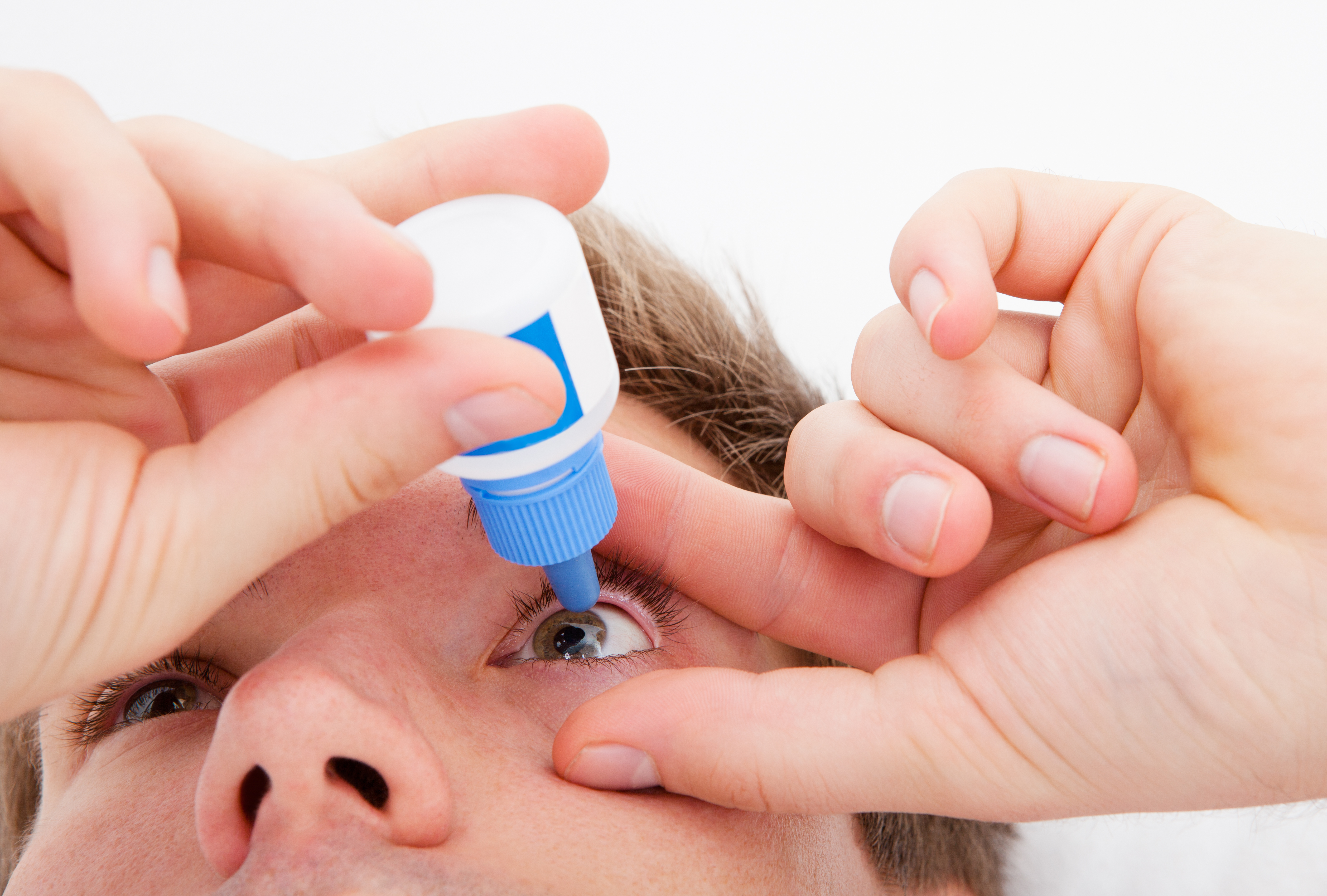
When a child’s nearsightedness continues getting stronger, updating their glasses helps them see clearly but does not necessarily slow the progression of myopia. For some children, low-dose atropine eye drops can be included in a myopia management plan designed to reduce how quickly nearsightedness increases.
At San Marino Optometry, we offer several childhood myopia management options, including low-dose atropine. Understanding how the drops are used, what parents should expect, and why follow-up care matters can make treatment easier to manage.
How Does Low-Dose Atropine Help With Myopia?
Myopia, or nearsightedness, commonly progresses as a child’s eyes continue growing. Higher levels of myopia are associated with increased lifetime risks of conditions such as retinal detachment, glaucoma, cataracts, and myopic macular degeneration.
Low-dose atropine is used to help slow myopia progression in some children. The exact mechanism is still being studied, but atropine appears to influence the biological processes involved in excessive eye growth.
Atropine use for myopia control is considered off-label in the United States. This means atropine is an approved medication, but it has not been specifically FDA-approved for slowing childhood myopia. Its use for myopia management is supported by clinical research and established eye care practice.
What Does the Daily Routine Look Like?
At San Marino Optometry, low-dose atropine is typically prescribed as an eye drop used nightly in each eye. Parents should follow the exact concentration and instructions provided for their child.
Building the drops into a consistent bedtime routine can make treatment easier. Helpful habits include:
Use the drops at approximately the same time each evening
Wash hands before handling the medication
Follow the prescribed number of drops exactly
Avoid touching the bottle tip to the eye or eyelashes
Store the medication according to pharmacy instructions
Keep follow-up appointments even when your child’s vision seems stable
Consistency matters because myopia management is a long-term process rather than a one-time treatment.
Will My Child Still Need Glasses?
Yes. Atropine is intended to slow myopia progression, not replace the prescription needed to correct blurry distance vision.
Children using atropine will generally continue wearing glasses or contact lenses based on their prescription. At San Marino Optometry, we monitor both how clearly your child sees and how their myopia changes over time.
If the prescription continues changing, that does not automatically mean atropine has failed. The purpose of treatment is to reduce the rate of progression, not guarantee that myopia stops completely.
Are There Side Effects?
Low-dose atropine is generally chosen because lower concentrations tend to produce fewer visual side effects than stronger atropine formulations. Still, individual responses vary.
Possible effects may include light sensitivity, redness or irritation, difficulty focusing at near, or temporary blurry near vision. These symptoms may depend partly on the concentration prescribed.
Let us know if your child develops persistent irritation, significant light sensitivity, difficulty completing schoolwork, or another new symptom after beginning treatment. The treatment plan can be reassessed when necessary.
Why Are Follow-Up Visits Important?
Myopia treatment needs ongoing monitoring. During follow-up appointments in San Marino, we can check your child’s prescription, visual clarity, eye health, and treatment response.
We also review whether the drops are being used consistently and whether side effects are occurring. Depending on how myopia progresses, we may continue the same plan or discuss other management options.
San Marino Optometry also offers Ortho-K and specialized soft contact lenses for myopia control. In some situations, another treatment approach may be more appropriate based on a child’s age, prescription, lifestyle, or response to therapy.
If your child’s nearsightedness continues getting stronger, contact San Marino Optometry at 2154 Huntington Drive, San Marino, CA 91108 by calling (626) 415-3600 to schedule a myopia management consultation and discuss whether low-dose atropine may be appropriate.


Our Services
Contact Info
Hours of Operation
- Monday 9:30am - 6:00pm
- Tuesday 9:30am - 4:00pm
- Wednesday 9:30am - 6:00pm
- Thursday 9:30am - 4:00pm
- Friday 9:30am - 4:00pm
- Saturday 9:00am - 2:00pm
- Sunday Closed
- *Doctor not available on Thursdays & Saturdays. Optical only.
© 2026 San Marino Optometry. All rights Reserved. Accessibility Statement - Privacy Policy - Terms & Conditions - Sitemap
Powered by:
