

Atropine vs. Ortho-K: Which Myopia Treatment Is Right for Your Child?
Myopia is becoming more common in children at younger ages. If left untreated, it can progress rapidly and increase the risk of serious eye conditions later in life. Fortunately, there are effective treatment options designed not only to correct vision but also to slow the progression of myopia. Two of the most widely recommended treatments are low-dose atropine eye drops and orthokeratology (Ortho-K) lenses. Let’s break down the differences between these two options so you can make an informed decision.
What Is Atropine for Myopia Control?
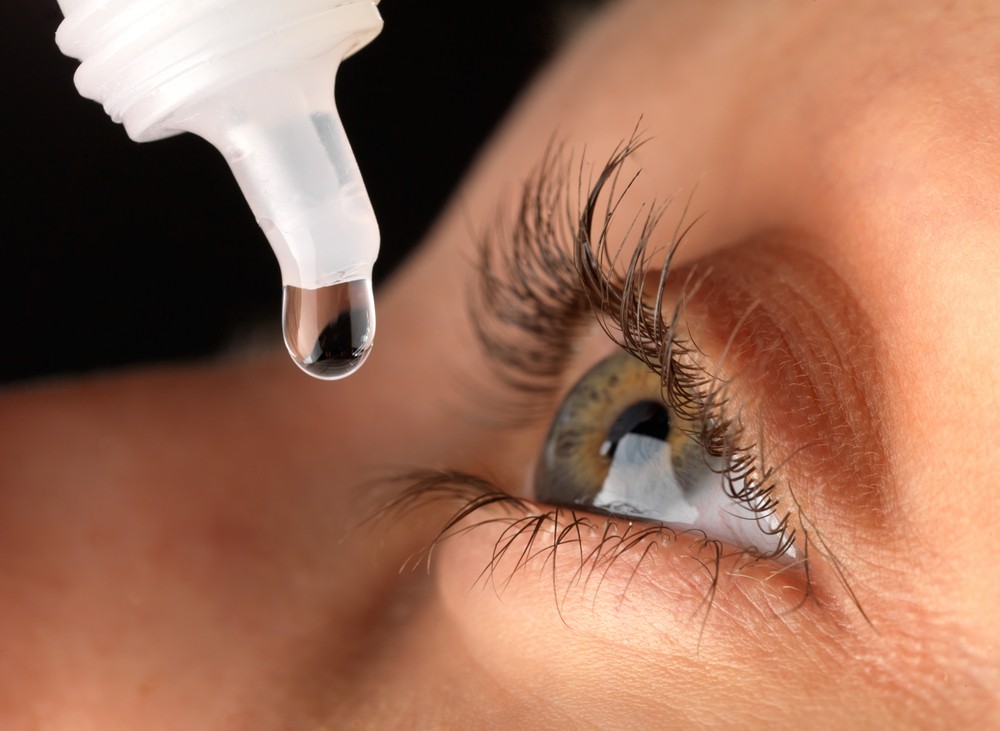
Atropine is a medicated eye drop that, when prescribed in very low doses, helps slow the elongation of the eye - the main cause of myopia progression. Unlike stronger concentrations used for other medical purposes, low-dose atropine does not blur vision significantly and is safe for long-term use in children.
Benefits of Atropine:
Easy and painless to use (just one drop, typically at bedtime).
Reduces myopia progression by up to 50-60% in many cases.
Works well for children who are not ready for contact lenses.
Things to Consider:
Children will still need glasses or contact lenses for clear daytime vision.
Effectiveness can vary from child to child.
Requires ongoing use for best results.
What Is Ortho-K (Orthokeratology)?
Ortho-K involves wearing specially designed, gas-permeable contact lenses overnight. These lenses gently reshape the cornea while your child sleeps, providing clear vision during the day without the need for glasses or contacts. At the same time, Ortho-K has been shown to slow myopia progression.
Benefits of Ortho-K:
Clear vision all day without glasses or daytime contact lenses.
Proven to slow the progression of myopia.
Non-surgical and completely reversible.
Things to Consider:
Requires consistent nightly wear for best results.
More hands-on care with cleaning and handling lenses.
May not be suitable for every child depending on prescription and corneal shape.
Choosing the Right Option for Your Child
Both atropine and Ortho-K are effective tools for controlling myopia progression, but the right choice often depends on your child’s lifestyle, prescription, and comfort level. Some children and families even choose to combine treatments for enhanced results.
Atropine may be the best option if your child is young, not comfortable with contact lenses, or prefers a simple, drop-based routine. On the other hand, Ortho-K may be more suitable if your child wants freedom from glasses and contacts during the day, or is active in sports and other activities where eyewear may get in the way.
At San Marino Optometry, we’ll conduct a comprehensive eye exam and take the time to understand your child’s needs. Based on these results, we will recommend the treatment option that offers the best combination of comfort, convenience, and long-term vision protection.
Partner with San Marino Optometry for Expert Myopia Care
Myopia management is not one-size-fits-all. Both atropine and Ortho-K offer proven ways to slow progression and protect your child’s long-term eye health. The best approach is to schedule a consultation with our team at San Marino Optometry. We’ll evaluate your child’s eyes, lifestyle, and needs to recommend the treatment plan that will work best for them.
Schedule a myopia management consultation at San Marino Optometry to learn more about atropine, Ortho-K, and the best treatment plan for your child. We proudly serve the San Marino, San Gabriel, and Arcadia communities. Please call (626) 415-3600 to schedule an appointment today.

Our Services
Contact Info
Hours of Operation
- Monday 9:30am - 6:00pm
- Tuesday 9:30am - 4:00pm
- Wednesday 9:30am - 6:00pm
- Thursday 9:30am - 4:00pm
- Friday 9:30am - 4:00pm
- Saturday 9:00am - 2:00pm
- Sunday Closed
- *Doctor not available on Thursdays & Saturdays. Optical only.
© 2026 San Marino Optometry. All rights Reserved. Accessibility Statement - Privacy Policy - Terms & Conditions - Sitemap
Powered by:
